The distance between two addresses is only one part of a student move. Getting everything from your Whitworth Park room to a vehicle, and then into the next place, can take more thought than the drive itself. That is especially true when your load includes books, a monitor, a bike and several bags that need two hands.
Start with the carrying route. Once you know the floor, access and amount to move, you can choose a sensible arrangement through our Manchester student moving service.
Describe the house and floor clearly
The official Whitworth Park profile describes eight low-rise houses with flats across one to three storeys. Tell your mover your exact house, flat, room and floor; the general name of the halls does not describe the carrying involved.
Look at the route as someone carrying a box would see it. Are there stairs, turns, doors or thresholds that affect how items can be moved? Do you have a long item that is awkward to turn? Photograph the item and measure it before requesting a quote. Only include furniture that belongs to you and that you are entitled to remove.
Pack for the stairs, not just the van
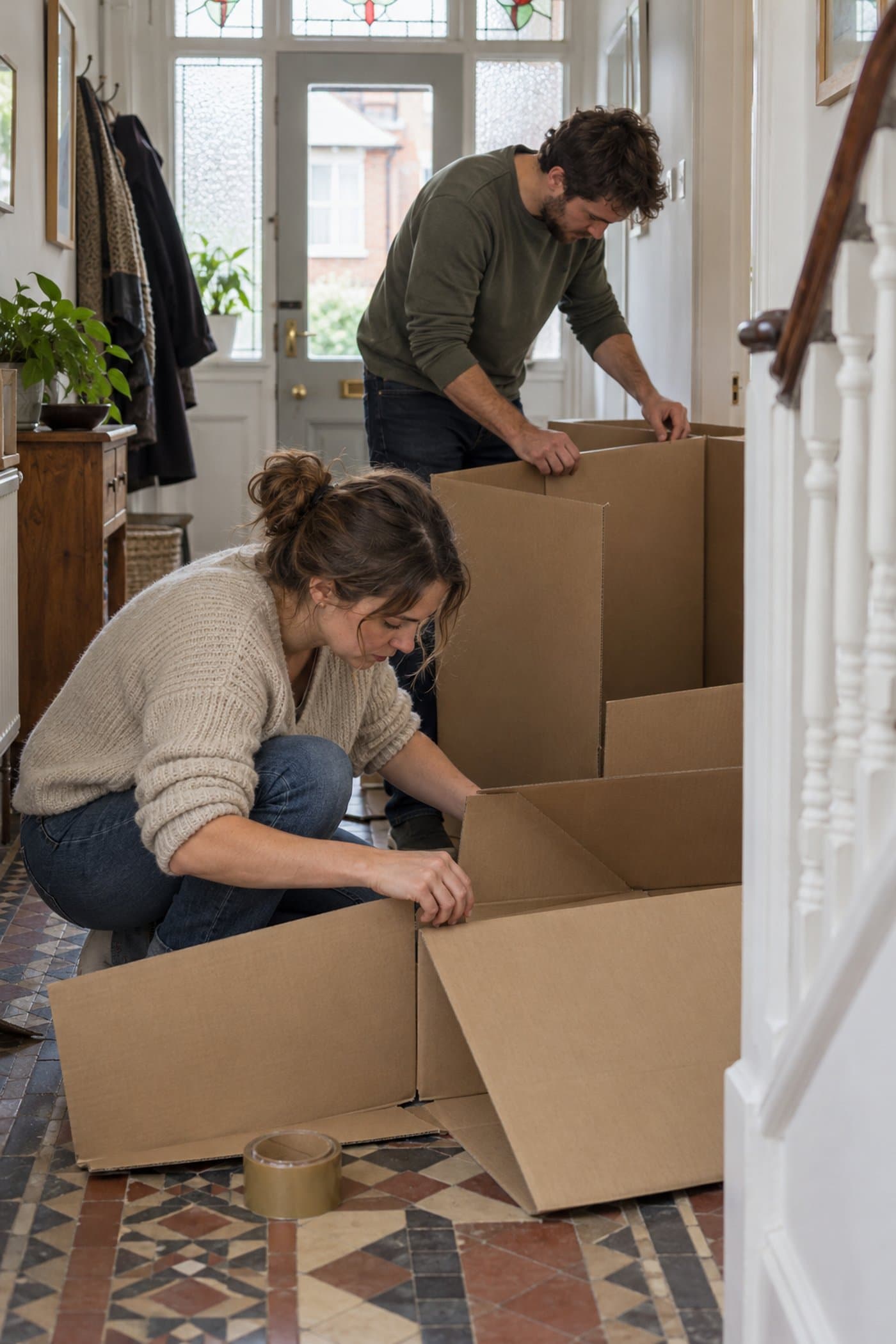
A large box filled with books may look efficient on the bedroom floor but be difficult to carry safely. Use smaller boxes for dense items. Put bedding and light clothing in larger containers, keeping each load manageable and securely closed.
A suitcase is useful, but its wheels do not solve every part of the route. Check its handles and avoid packing it so heavily that it cannot be carried where required. Keep loose shopping bags to a minimum: several unstable bags make a slow collection harder to organise.
| Item | Preparation that helps |
|---|---|
| Books and folders | Use smaller boxes and protect corners from moisture. |
| Monitor or television | Protect the screen and pack cables separately with labels. |
| Desk chair | Describe it and send a photograph; do not assume it fits in a box. |
| Bicycle | Include it in the inventory and remove loose accessories. |
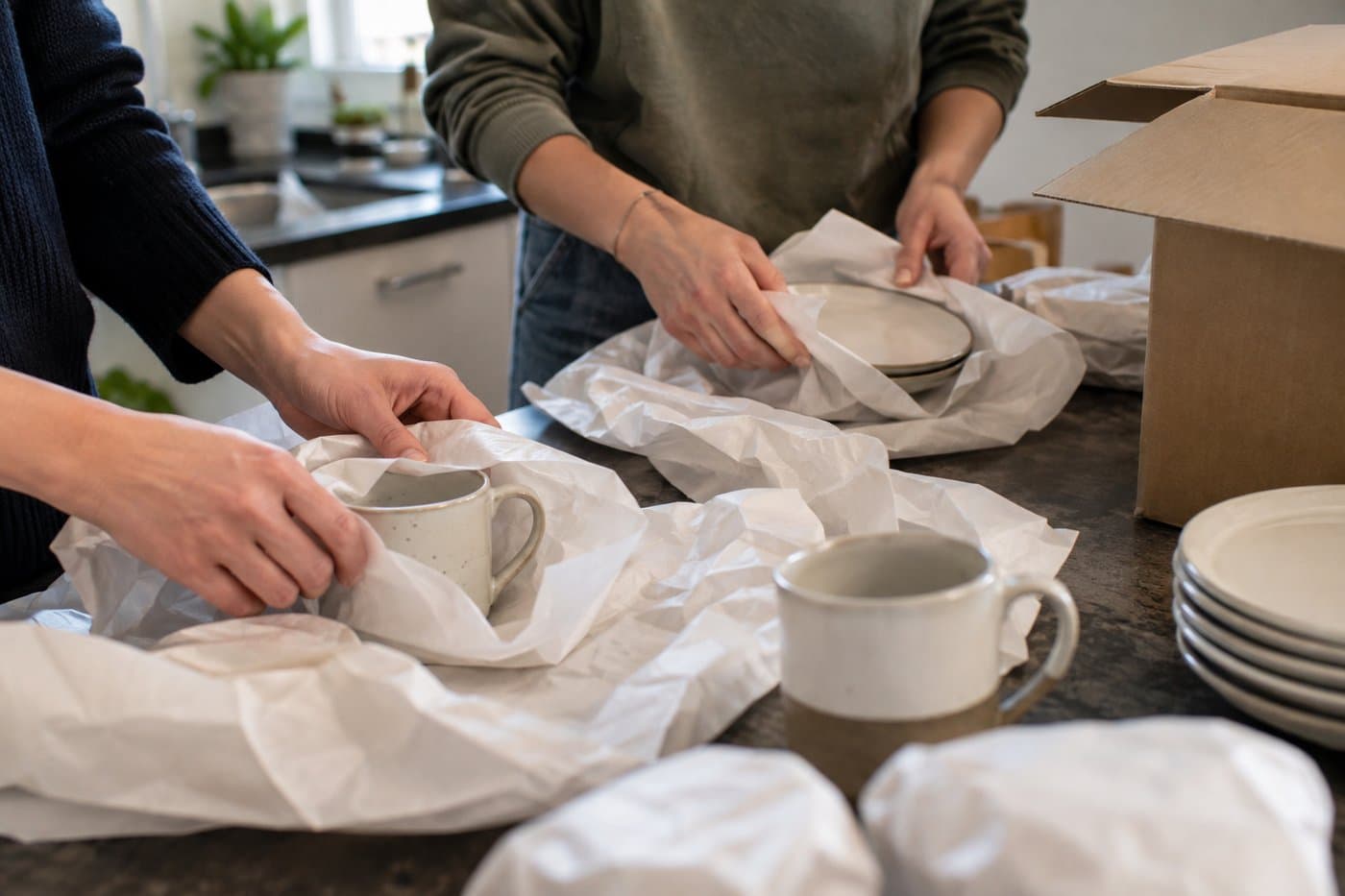
| Kitchenware | Wrap breakables and separate liquids from dry belongings. |
| Clothes and bedding | Pack them clean and dry in closed bags or boxes. |
Before sealing the last containers, set aside medication, valuables, keys, your phone and enough clothing for the next day. Keep those with you so that they remain available if the unloading order changes.
Check the collection route with the residence
Ask for the current arrangements for a departing resident’s van. The university publishes arrival access guidance, but your collection needs the instructions that apply on the day you leave. Do not assume the address used for post is the correct vehicle approach.
Useful questions include where the vehicle may stop, whether the residence needs its registration, and how you should meet the driver. If a designated entrance or access window is confirmed, send those details to the mover. An agreed stopping point matters more than a guess based on the closest-looking road.
Do not carry your load into shared corridors in advance or leave belongings unattended outdoors. Agree where packed boxes can wait safely while the room is being cleared. If you need carrying help, say so when booking rather than relying on a neighbour being available.